
The most popular dance trends right now are short-form TikTok choreography, Afrobeats and Amapiano, bachata, heels dance, K-pop dance covers and a line dance revival, with balletcore, Hiplet and dance-as-wellness classes close behind. Yet the trend that matters most for studios isn’t a step at all: people now post their messy first attempts, and that has made dance feel open to beginners again.

Below are the 14 dance trends shaping America in 2026, why each one is growing, and how a studio owner can turn them into workshops, new classes and enrollments. If you want the short version, start with the next section.
What Is the Most Popular Dance Right Now?
There’s no single “most popular dance” — the answer depends on where you look. On TikTok and Reels, it’s whatever 15-30 second routine is attached to this week’s hit song. In studios, hip-hop, contemporary and ballet still fill the most classes. Among adults signing up for the first time, bachata, heels and line dancing are the styles pulling people in.
- On social media: short TikTok challenges, K-pop dance covers and Afrobeats grooves.
- In adult classes and socials: bachata, salsa, heels and line dancing.
- In competition studios: contemporary, hip-hop fusion and jazz funk.
- Rising fastest from a small base: Hiplet, balletcore-inspired adult ballet, and dance-as-wellness classes.
How to check what’s trending this week
Specific viral dances change every few weeks, so any list (including this one) dates quickly. Three free places to check before you plan a workshop:
- Google Trends: compare searches for styles like “bachata classes” or “heels dance class” in your state over the last 12 months.
- TikTok and Instagram search: search the style plus “tutorial” and sort by recent to see which routines people are actually learning.
- Line dance charts: LineDance.com’s popular list updates daily and shows which new routines dancers are learning.
Treat a style that keeps showing up across all three for a couple of months as a trend. Treat a single viral song as a fad — good for one workshop, not a semester.
1. Afrobeats and Amapiano
Afrobeats — rooted in West African rhythms — has crossed over from niche to mainstream in America. The related Amapiano genre (originating in South Africa) adds a deeper, bass-heavy feel that’s taken over dance floors and social media feeds. These styles emphasize groove, bounce, isolations, and personality over rigid technique.
Why it’s trending: Artists like Burna Boy, Tyla, and Ayra Starr consistently chart in the US, and their music drives dance content on TikTok and Instagram. Studios adding Afrobeats classes are seeing strong enrollment, especially among 18–35-year-olds looking for high-energy, community-driven movement.
2. TikTok Viral Challenges
Short-form choreography designed for TikTok and Instagram Reels continues to be the single biggest driver of dance visibility in America. These 15–30 second routines are built to be easy to learn, endlessly repeatable, and optimized for vertical video.
Why it’s trending: The barrier to entry is nearly zero — anyone with a phone can participate. Viral challenges generate millions of recreations and draw entirely new audiences into dance. For studios, teaching trending choreography in workshops is a proven way to attract new students who discovered dance through social media.
3. Bachata and Latin Social Dance
Bachata has exploded beyond Latin dance communities into mainstream American dance culture. Its accessible partner framework — romantic, expressive, and forgiving of beginners — makes it one of the fastest-growing social dance styles in the US.
Why it’s trending: Social dance events (bachata socials, salsa nights) are booming in cities of all sizes. The dance is approachable for adults who never took a class, making it a gateway to regular studio enrollment. Studios that offer bachata or Latin fusion nights are tapping into a demographic that traditional ballet and jazz classes don’t reach.
4. Practice Culture and Authenticity
One of the most significant shifts in dance culture: sharing the process — not just the polished performance. Dancers posting bloopers, first attempts, progress videos, and learning journeys get more engagement than flawless performances.
Why it’s trending: This lowers the intimidation factor. People who’ve always wanted to try dance see that everyone starts messy. For studios, this creates a marketing opportunity — film students learning, improving, and celebrating small wins. It’s more relatable than a perfect recital highlight reel.
5. Heels Dance

Heels dance — choreography performed in high heels, blending jazz, pop, and contemporary — has grown from a niche style into a studio staple. It emphasizes confidence, expression, power, and body awareness.
Why it’s trending: Heels dance appeals to adults (especially women 20–40) who want a challenging workout wrapped in artistry and self-expression. It’s one of the strongest adult class offerings for studios looking to expand beyond youth programming. Music video culture and artists like Beyoncé and Doja Cat keep the style visible.
6. Hip-Hop Fusion
Hip-hop remains a cornerstone of American dance, but the 2026 version is less about pure b-boying and more about fusion — blending hip-hop foundations with contemporary, jazz funk, K-pop choreography, and commercial styles.
Why it’s trending: Fusion makes hip-hop accessible to trained dancers from other disciplines while keeping the groove and energy that makes hip-hop universally appealing. Commercial choreography (music videos, concert tours) is almost entirely hip-hop fusion now.
7. K-Pop Dance Covers
K-pop choreography — the synchronized, high-energy routines of groups like BLACKPINK, Stray Kids, and SEVENTEEN — has built a dedicated cover community in America. Dancers learn and perform full K-pop routines, posting covers on YouTube and TikTok.
Why it’s trending: K-pop’s fanbase is massive and deeply engaged. Studios offering K-pop cover classes see enthusiastic enrollment from teens and young adults. The precision and synchronization required make it technically challenging, keeping students enrolled long-term.
8. Contemporary Dance
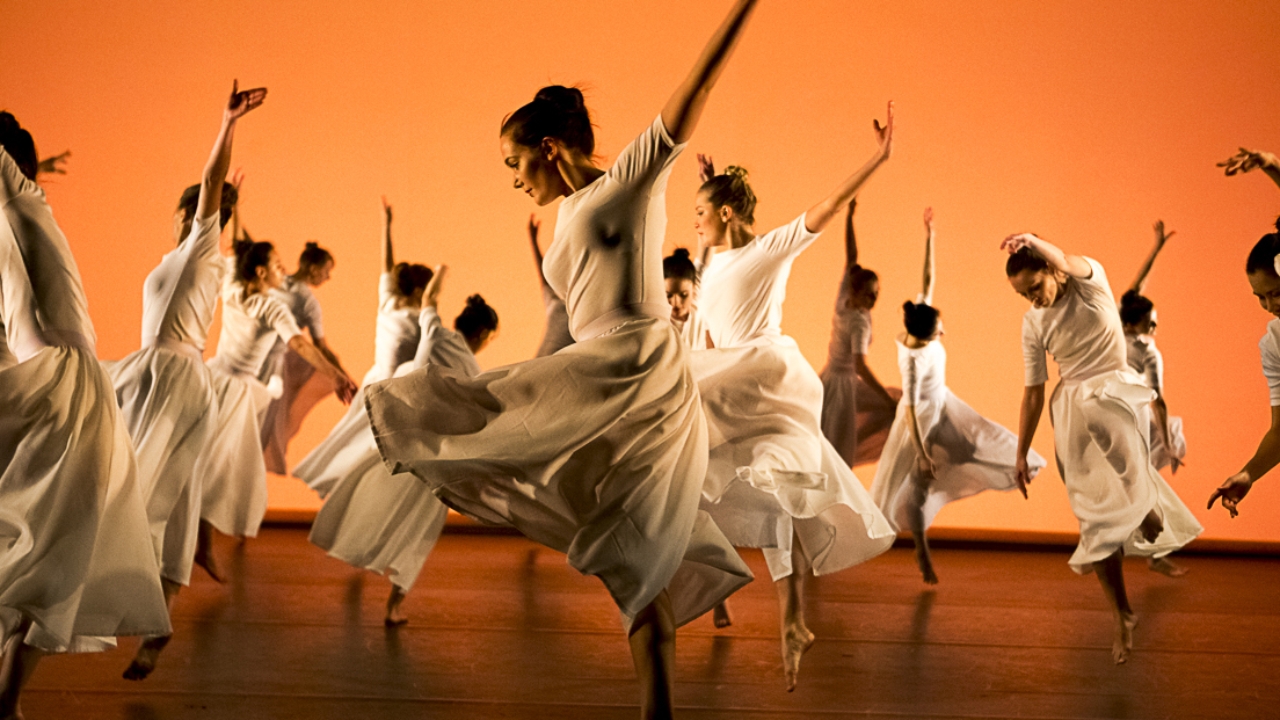
Contemporary remains one of the most popular competition and concert dance styles in America. It blends modern, ballet, jazz, and lyrical techniques into emotionally expressive, narrative-driven choreography.
Why it’s trending: TV shows like So You Think You Can Dance and World of Dance keep contemporary visible, and the style dominates competition circuits. For studios, contemporary classes serve intermediate and advanced students and are essential for competitive team programs.
9. Dancehall
Dancehall — Jamaica’s high-energy, rhythmic dance style — has carved out a growing presence in American studios and club scenes. Its expressive, freestyle-friendly approach draws both trained dancers and social dancers.
Why it’s trending: Cross-pollination with Afrobeats and mainstream pop keeps Dancehall in the cultural conversation. Artists like Sean Paul, Shenseea, and Skeng bring fresh tracks that drive new choreography. Studios in major metros (NYC, Atlanta, LA) report consistent demand for Dancehall classes.
10. Vogueing and Ballroom
Vogueing — born in the 1980s Harlem ballroom scene — continues to evolve as both an art form and a cultural movement. Its sharp poses, dramatic catwalks, and spins are technically demanding and visually striking.
Why it’s trending: Ball culture remains vibrant, and mainstream visibility through shows like Legendary and Pose introduced vogueing to a wider audience. Studios and community centers offering vogue workshops attract diverse, engaged students.
11. Line Dance Revival
Line dancing has broken out of its country-western box. Driven by viral TikTok routines and country-pop crossover artists, line dances now show up at weddings, parties, fitness classes, and studio workshops. New routines appear every week: on LineDance.com’s trending chart, the top spots in mid-November 2026 were held by dances choreographed in the previous few months, such as “My Mama Said” and “Va Va Vamos.”
Why it’s trending: Group-friendly and no partner needed — line dances are inherently social and beginner-accessible. For studios, a monthly line dance social or workshop can bring in people who’d never sign up for a technique class.
12. Dance as Wellness
Dance is increasingly positioned as a wellness and mental health practice rather than purely a performance art. Mindful movement classes, sober dance parties, and dance therapy are growing across the country.
Why it’s trending: The emphasis on mental health and community drives demand for movement experiences that are joyful, low-pressure, and socially connected. Studios offering “movement for wellness” or “dance fitness” classes are reaching adults who view dance as self-care, not performance.
13. Balletcore Revival
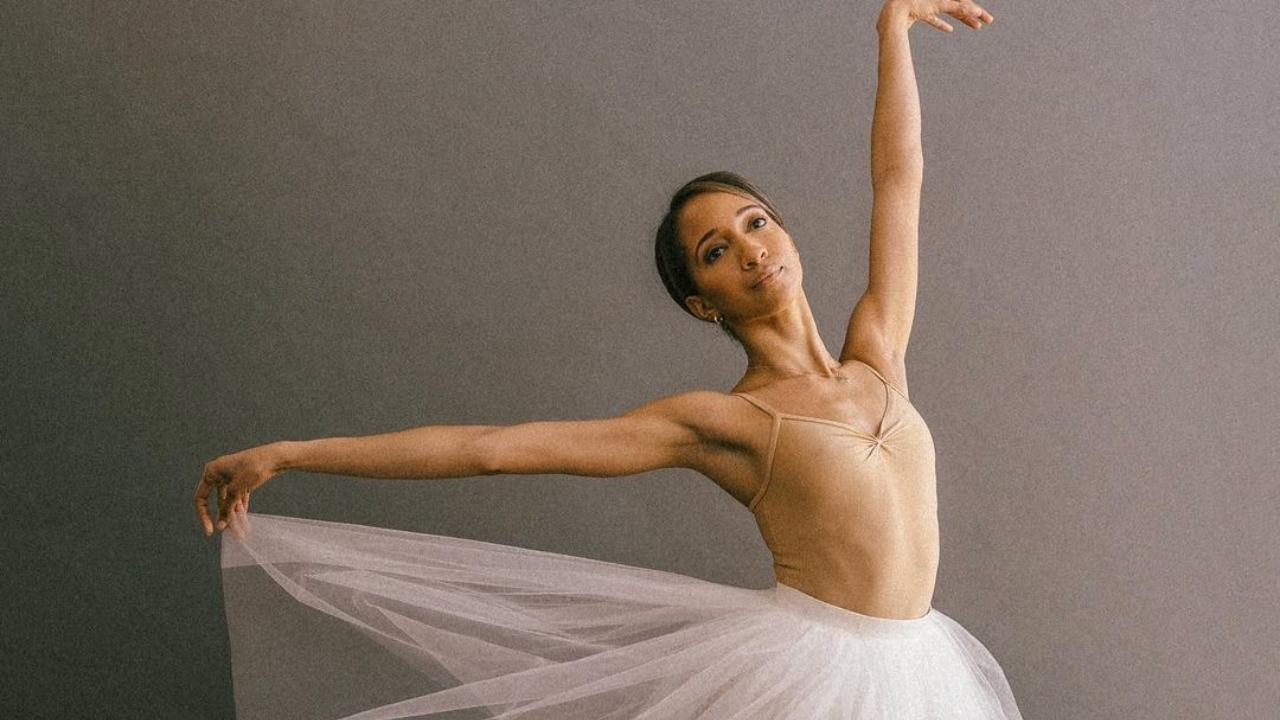
Balletcore — the aesthetic blending of ballet-inspired movement, fashion, and lifestyle — has evolved from a social media fashion trend into a genuine dance resurgence. It’s driven by actual dancers reclaiming the movement behind the aesthetic, emphasizing the real sweat and discipline of ballet rather than just the pastel look.
Why it’s trending: Instagram and TikTok creators are showing behind-the-scenes ballet training alongside the fashion, and the overlap between dancewear and everyday athleisure continues to grow. Studios are seeing renewed interest in adult ballet enrollment — especially beginner classes positioned as accessible and non-intimidating.
14. Hiplet and Street-Classical Fusion
Hiplet — a fusion of classical pointe technique with hip-hop, breaking, and other street dance elements — represents one of the most innovative new dance styles in America. Dancers perform on pointe while incorporating robotic animations, floor work, waacking, and other urban movement vocabulary.
Why it’s trending: Hiplet blurs the line between trained technique and street culture in a way that feels genuinely new. The Chicago-based Hiplet Ballerinas have built a significant following, and studios are experimenting with fusion classes that attract both classically trained dancers and street-style enthusiasts. Regional street styles like Detroit Jit, Chicago Footwork, and Philly GQ continue to influence broader fusion styles.
What’s Driving Dance Trends in 2026?
Several forces are shaping how new dance styles emerge and spread:
- Social media virality: TikTok and Instagram Reels compress the trend cycle. A routine can go from unknown to everywhere in a few days.
- Global music crossover: Afrobeats, K-pop, Latin and Caribbean music regularly chart in the US, bringing their dance styles with them.
- Participation over perfection: audiences reward effort and personality over polished technique, which makes dance feel more accessible.
- Adult and wellness demand: dance is no longer just for kids. Adults looking for fitness, social connection and creative expression are driving studio enrollment growth.
- Tech: motion-tracking apps, AI choreography tools and AR/VR experiences make it easier to learn and create dance outside a studio.
How Can Dance Studios Use Current Dance Trends?
Run trending styles as one-off workshops first, film them for social media, and only add a recurring class once a workshop sells out or converts students into ongoing enrollment. That keeps your risk low and lets demand, not hype, decide your schedule.
- Test with workshops first: don’t commit to a full-semester class for an untested style. Run a one-off workshop (Afrobeats, K-pop covers, heels) and gauge demand before adding it to your dance studio schedule. See these dance workshop ideas for formats that work.
- Film your classes for social media: a 30-second clip of students learning a trending dance in class can reach more local families than a paid ad. Get photo and video consent from parents first.
- Hire guest instructors: bring in specialists for trending styles rather than retraining your existing staff. It adds variety and creates event energy.
- Target adults explicitly: many current trends (bachata, heels, line dancing, wellness) skew adult. Create dedicated adult class blocks with marketing aimed at adult beginners.
- Track what’s working: use your dance studio software to compare enrollment by class type, see which workshops convert to ongoing enrollment, and double down on what fills.
Dance Trends FAQs
What is the most popular dance trend right now?
Short-form TikTok choreography is the most visible dance trend right now, because a new routine spreads with every hit song. Among styles people sign up to learn, Afrobeats, bachata, heels and K-pop covers are growing fastest, while hip-hop remains the most broadly popular style in America.
How do dance studios keep up with trending dances?
Successful studios watch social media and search trends, run workshops before committing to full classes, hire guest instructors for specialty styles, and use enrollment data and industry trends to decide which offerings to keep.
Are TikTok dance trends real or just a fad?
Individual TikTok dances come and go within weeks, but the broader pattern — short-form choreography pulling new people into dance — has kept growing since 2020. Studios that teach trending choreography in workshops use it as a front door, then move those students into ongoing technique classes.
What new dance styles should studios add in 2026?
The strongest candidates are Afrobeats, heels, K-pop covers and bachata. Each reaches a different audience: Afrobeats and heels skew young adult, K-pop attracts teens, and bachata brings in adults who’ve never taken a formal class. Test each with a workshop before committing to a recurring class.
Stay Ahead of Every Trend
Keeping up with trends means more than adding new class styles — it means tracking enrollment, adjusting schedules and telling families about new workshops quickly. Swyvel gives dance studios scheduling, online registration, SMS and email messaging, and enrollment reports in one platform. Start your free trial, or book a demo to see it with your own studio setup.