
A parent trips over a dance bag in your lobby. A student pushes through a tricky jump and lands wrong. Your commercial space floods during a spring storm and destroys your sound equipment. These aren’t unlikely scenarios — they’re the everyday realities of running a physical business where bodies are in motion.
Dance studio insurance isn’t paperwork for its own sake. It’s the difference between a bad day and a business-ending event. And yet, many studio owners either don’t have the right coverage, have too little of it, or are paying for policies that don’t actually fit how they operate.
This guide breaks down exactly what coverage you need, what it costs, and how to make smart decisions without overpaying.
Why Dance Studios Insurance Face Unique Risks
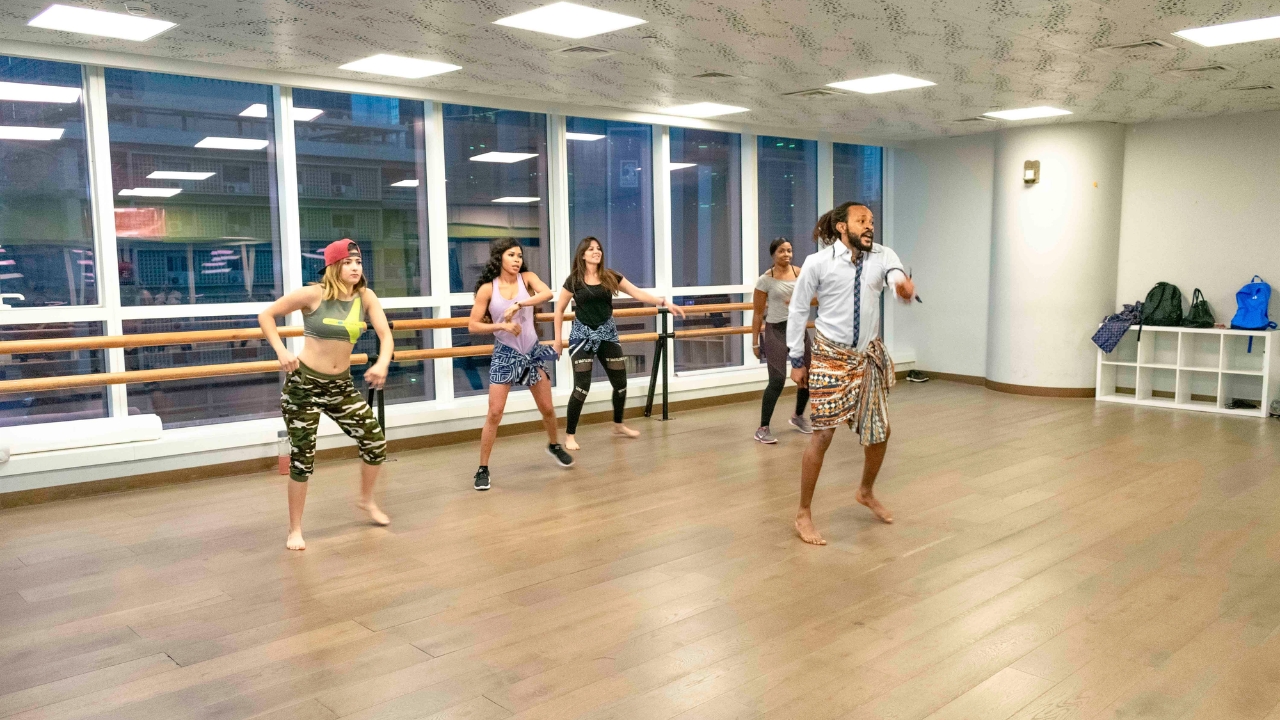
Dance studios aren’t like a retail store or an office. You have students — often children — moving their bodies in ways that create real exposure. You have mirrors, barres, sprung floors, and speaker systems worth thousands. You employ (or contract with) instructors who teach techniques that, if done incorrectly, can cause injury. And you host events — recitals, showcases, holiday performances — that take you off your home turf entirely.
On top of that, many dance studios work with minors, which adds another layer of liability exposure that general-purpose small business policies don’t always address well. Dance-specific coverage exists for a reason.
The 5 Types of Insurance Every Dance Studio Needs
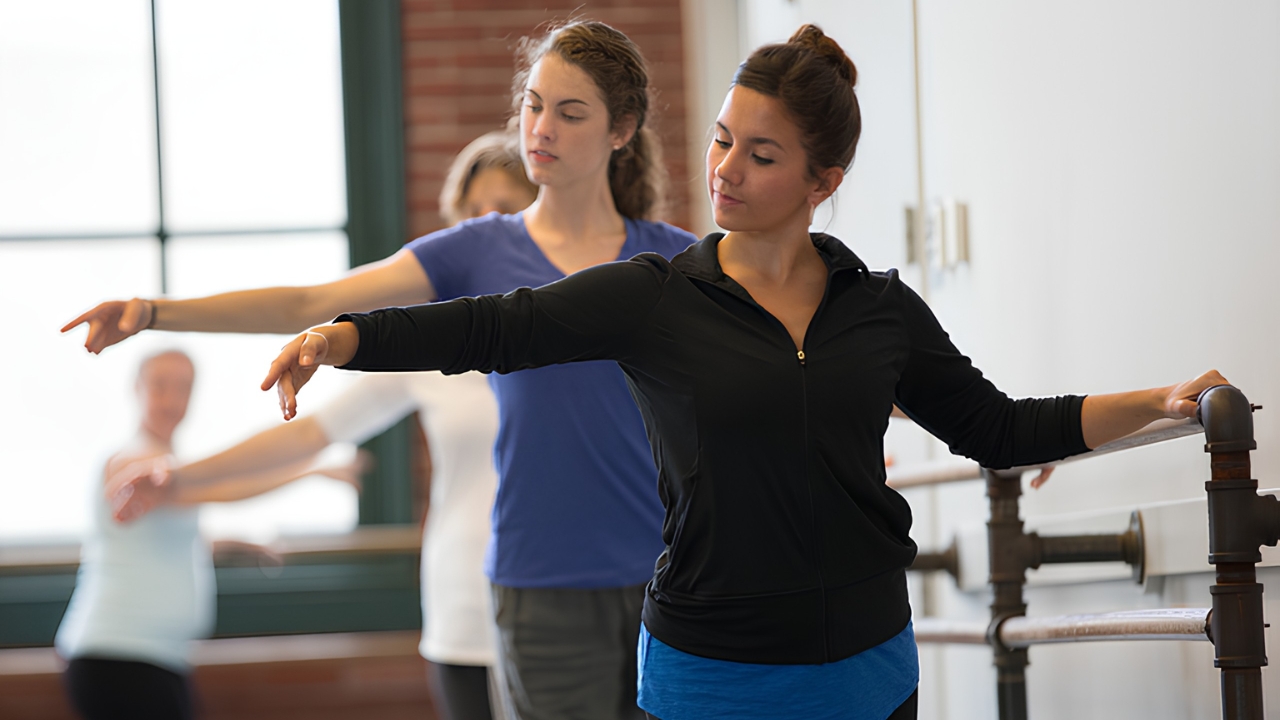
1. General Liability Dance Studio Insurance
General liability is your foundation. It covers third-party claims for bodily injury and property damage that happen on your premises — a parent who slips in the lobby, a student who trips over a prop, a visitor whose car gets hit in your parking lot. It also covers certain advertising claims, like unintentional copyright infringement in your promotional materials.
What it doesn’t cover: injuries tied to how you teach. If a parent claims your choreography was negligent and caused their child’s stress fracture, that’s a professional liability issue, not a general liability one. The distinction matters more than most studio owners realize.
Typical cost: Around $55/month ($654/year) for a $1M per-occurrence / $2M aggregate limit.
2. Business Owner’s Policy (BOP)
A Business Owner’s Policy bundles general liability with commercial property coverage into a single, usually cheaper package than buying them separately. The property component covers your physical assets — mirrors, flooring, barres, audio equipment, costumes — against fire, theft, vandalism, and water damage.
For most studios, a BOP is the right starting point. It gives you the two most essential coverages without complexity.
Typical cost: Around $121/month ($1,447/year), though comprehensive packages for larger studios can run $4,800–$6,600/year.
3. Professional Liability Dance Studio Insurance
Also called errors and omissions (E&O) insurance, professional liability protects you when a student or parent claims your instruction caused harm. This includes allegations that a specific technique was unsafe, that you overworked a student during competition prep, or that your choreography contributed to an injury.
Many dance-specific insurance programs bundle this with general liability — and that’s usually the right move. If you’re using a generic small business policy that doesn’t include professional liability, you have a gap.
Typical cost: Around $40–42/month ($500/year) standalone.
4. Workers’ Compensation Dance Studio Insurance
Workers’ comp covers your employees if they’re injured on the job — an instructor who strains their back demonstrating a lift, a front desk staffer who slips in the studio. In most U.S. states, it’s legally required once you have W-2 employees, even part-time ones.
The key word is employees. If you only work with independent contractors (1099), workers’ comp typically doesn’t apply to them — but misclassifying employees as contractors is a serious legal and dance studio insurance risk (more on this below).
Typical cost: Around $40–42/month ($500/year) on average, though it varies significantly by state and payroll size.
5. Participant Accident Dance Studio Insurance
Participant accident insurance pays medical bills for students who are injured during classes or studio activities, regardless of fault. If a student sprains an ankle during a jump combination, this policy can cover their medical costs without anyone having to file a lawsuit or prove negligence.
This coverage is particularly valuable for studios that work with minors, and it’s often required by competition organizations, recital venues, and landlords. It keeps minor incidents from becoming major disputes.
Some dance studio insurance specific programs offer per-student pricing (typically $11–$14/student at peak enrollment, with minimum premiums around $870).
Additional Coverage Worth Considering
Depending on your studio’s size and programs, you may also want:
- Special event dance studio insurance: For recitals, showcases, or competitions held at off-site venues. Your main policy likely doesn’t follow you off-premises.
- Abuse and molestation liability: Critical for any studio working with children. This covers claims of inappropriate conduct — it’s an uncomfortable topic, but the exposure is real and your general liability policy almost certainly excludes it.
- Cyber liability: If you store student data, accept online payments, or use studio management software (you should be), a breach exposes you to regulatory fines and notification costs. Coverage starts around $100–$150/year for small studios.
- Inland marine/equipment floater: Covers portable equipment when it leaves the studio — rolling mirrors, portable floors, costumes for recitals.
- Commercial umbrella: An extra layer of coverage that activates when your primary policy limits are exhausted. Worth considering for larger studios.
How Much Does Dance Studio Insurance Cost in 2026?
Cost depends heavily on your studio’s size, location, number of students, type of classes offered (higher-impact styles like acro, tumbling, and competition dance cost more to insure), and claims history. Here are realistic benchmarks:
| Studio Size | Estimated Annual Cost | Typical Coverage |
|---|---|---|
| Solo/independent instructor | $132–$270/year | GL + professional liability |
| Small boutique studio (<100 students) | $1,200–$3,000/year | BOP + workers’ comp |
| Mid-size studio (100–300 students) | $4,000–$8,000/year | BOP + workers’ comp + professional liability + event |
| Large academy (300+ students, competition team) | $8,000–$20,000+/year | Full package + umbrella + event coverage |
Insurers who specialize in dance studios — like K&K Insurance, Sadler Sports & Recreation, and programs through Insureon — tend to offer better terms for studios than generic business insurance brokers.
Independent Contractors vs. Employees: Why This Distinction Matters
Many dance studios use a mix of staff — some W-2 employees, some 1099 contractors. This affects your dance studio insurance in two important ways:
- Workers’ comp: Required for employees, not for contractors. But if a contractor is actually functioning as an employee (set schedule, exclusive hours, studio-provided equipment), misclassification can mean you’re legally required to provide workers’ comp coverage you didn’t buy.
- Professional liability: Some policies cover only the named business, not individual instructors. If a contractor instructor causes an injury, your policy may not respond. Verify that your professional liability extends to all instructors operating under your roof — or require contractors to carry their own.
When in doubt, consult both an insurance broker who knows dance businesses and an employment attorney familiar with your state’s contractor classification rules.
6 Ways to Lower Your Dance Studio Insurance Premiums
- Implement a digital waiver system. Signed liability waivers don’t eliminate claims, but they demonstrate due diligence and can reduce your legal exposure. Paper waivers get lost; digital ones are timestamped and searchable.
- Maintain accurate attendance records. If an injury occurs, being able to show who was in class, what was taught, and how many students were present strengthens your position significantly.
- Bundle your policies. A BOP is almost always cheaper than general liability + property bought separately.
- Work with dance-specific insurers. They understand your risk profile better and won’t penalize you for offering acrobatics or competition classes the way a generic insurer might.
- Document safety protocols. Written safety procedures — warm-up requirements, class size limits, floor maintenance schedules — show underwriters you’re a lower-risk operation.
- Review annually. Student counts, payroll, and class offerings change. An outdated policy may over-insure you in some areas and leave gaps in others.
Common Insurance Mistakes Dance Studio Owners Make
Mistake #1: Relying only on a homeowner’s policy for a home-based studio. Homeowner’s policies typically exclude business activities. If you teach out of your home, you almost certainly need a separate business policy.
Mistake #2: Skipping event insurance for off-site performances. Your standard policy covers your studio address. A recital at the local performing arts center is a different location — and likely isn’t covered without a special event rider.
Mistake #3: Not requiring certificates of dance studio insurance from contractors. If a guest instructor injures a student and doesn’t have their own coverage, you may end up on the hook. Always request a COI before letting contractors teach.
Mistake #4: Not updating coverage as the studio grows. A policy sized for 80 students may have major gaps when you hit 200. Revisit your coverage every year, not just when renewing.
How Smart Studio Management Supports Your Insurance
Dance studio insurance isn’t just about the policy document — it’s about your ability to demonstrate what happened when a claim arises. Studios that use modern management software have a natural advantage here.
When every class has a timestamped attendance record, every waiver is digitally signed and stored, and every incident can be cross-referenced against enrollment data, you’re not scrambling to reconstruct what happened. You have documentation.
Platforms like Swyvel keep this data organized automatically — student records, attendance logs, signed forms, and communication history all in one place. That kind of paper trail doesn’t just help at tax time. It’s exactly what your insurer and your attorney want to see if something goes wrong.
There’s a Better Way to Run Your Studio
Good dance studio insurance protects your studio when things go wrong. Good software helps prevent things from going wrong in the first place — and documents everything when they do. Swyvel keeps your student records, attendance logs, and communications organized so you’re always audit-ready. Try Swyvel free and see how purpose-built studio management makes every part of your operation run cleaner.
FAQ
1. Why does a dance studio need insurance?
Dance studio insurance helps protect your business from financial losses related to accidents, injuries, property damage, lawsuits, and other unexpected incidents.
2. What type of insurance does a dance studio need?
Common coverage includes general liability insurance, property insurance, professional liability insurance, workers’ compensation, and coverage for equipment and studio contents. The right combination depends on your studio and operations.
3. Does dance studio insurance cover student injuries?
General liability coverage may help protect your studio if a student is injured and the studio is found legally responsible. Coverage and exclusions vary by policy, so reviewing the details with an insurance professional is important.
4. Is dance instructor liability insurance necessary?
It can be valuable, especially for studios that employ instructors or independent teachers. It may help address claims related to instruction, negligence, or other professional services, depending on the policy.
5. How much does dance studio insurance cost in 2026?
The cost varies based on factors such as studio size, location, number of students and employees, activities offered, coverage limits, and claims history. Comparing suitable policies can help you find appropriate coverage for your budget