

Top Dance Trends in America for 2026
The newest dance trends taking over America in 2026 span Afrobeats and Amapiano, bachata and Latin fusion, TikTok viral challenges, heels dance, and the growing practice culture movement — where sharing raw learning and progress videos matters more than polished perfection. Add in the balletcore revival, Hiplet (pointe meets street dance), and regional street styles like Detroit Jit and Chicago Footwork, and the American dance landscape is more diverse than ever.
As these styles continue to evolve, dancers and studios are also paying more attention to performance-ready looks, making dance costume companies an important part of the modern dance ecosystem. From costumes designed for competitions and recitals to outfits that complement emerging styles, the right dancewear can help bring a performance together.
Whether you’re a studio owner deciding what classes to add or a dancer looking for what’s hot, these dance trends reflect where the industry is heading in 2026 and beyond.
1. Afrobeats and Amapiano
Afrobeats — rooted in West African rhythms — has crossed over from niche to mainstream in America. The related Amapiano genre (originating in South Africa) adds a deeper, bass-heavy feel that’s taken over dance floors and social media feeds. These styles emphasize groove, bounce, isolations, and personality over rigid technique.
Why it’s trending dance styles: Artists like Burna Boy, Tyla, and Ayra Starr consistently chart in the US, and their music drives dance content on TikTok and Instagram. Studios adding Afrobeats classes are seeing strong enrollment, especially among 18–35-year-olds looking for high-energy, community-driven movement.
2. TikTok Viral Challenges
Short-form choreography designed for TikTok and Instagram Reels continues to be the single biggest driver of dance visibility in America. These 15–30 second routines are built to be easy to learn, endlessly repeatable, and optimized for vertical video.
Why it’s trending dance: The barrier to entry is nearly zero — anyone with a phone can participate. Viral challenges generate millions of recreations and draw entirely new audiences into dance. For studios, teaching trending dances choreography in workshops is a proven way to attract new students who discovered dance through social media.
3. Bachata and Latin Social Dance
Bachata has exploded beyond Latin dance communities into mainstream American dance culture. Its accessible partner framework — romantic, expressive, and forgiving of beginners — makes it the fastest-growing social dance style in the US.
Why it’s trending dance: Social dance events (bachata socials, salsa nights) are booming in cities of all sizes. The dance is approachable for adults who never took a class, making it a gateway to regular studio enrollment. Studios that offer bachata or Latin fusion nights are tapping into a demographic that traditional ballet and jazz classes don’t reach.
4. Practice Culture and Authenticity
One of the most significant shifts in dance culture: sharing the process — not just the polished performance. Dancers posting bloopers, first attempts, progress videos, and learning journeys get more engagement than flawless performances.
Why it’s trending dance: This lowers the intimidation factor. People who’ve always wanted to try dance see that everyone starts messy. For studios, this creates a marketing opportunity — film students learning, improving, and celebrating small wins. It’s more relatable than a perfect recital highlight reel.
5. Heel Dance Trends

Heels dancing styles — choreography performed in high heels, blending jazz, pop, and contemporary — has grown from a niche style into a studio staple. It emphasizes confidence, expression, power, and body awareness.
Why it’s trending dance: Heels dance appeals to adults (especially women 20–40) who want a challenging workout wrapped in artistry and self-expression. It’s one of the strongest adult class offerings for studios looking to expand beyond youth programming. Music video culture and artists like Beyoncé and Doja Cat keep the style visible.
6. Hip-Hop Fusion
Hip-hop dancing styles remains a cornerstone of American dance, but the 2026 version is less about pure b-boying and more about fusion — blending hip-hop foundations with contemporary, jazz funk, K-pop choreography, and commercial styles.
Why it’s trending dance: Fusion makes hip-hop accessible to trained dancers from other disciplines while keeping the groove and energy that makes hip-hop universally appealing. Commercial choreography (music videos, concert tours) is almost entirely hip-hop fusion now.
7. K-Pop Dance Covers
K-pop choreography — the synchronized, high-energy routines of groups like BLACKPINK, Stray Kids, and NewJeans — has built a dedicated cover community in America. Dancers learn and perform full K-pop routines, posting covers on YouTube and TikTok.
Why it’s trending dance: K-pop’s fanbase is massive and deeply engaged. Studios offering K-pop dance trends cover classes see enthusiastic enrollment from teens and young adults. The precision and synchronization required make it technically challenging, keeping students enrolled long-term.
8. Contemporary Dance
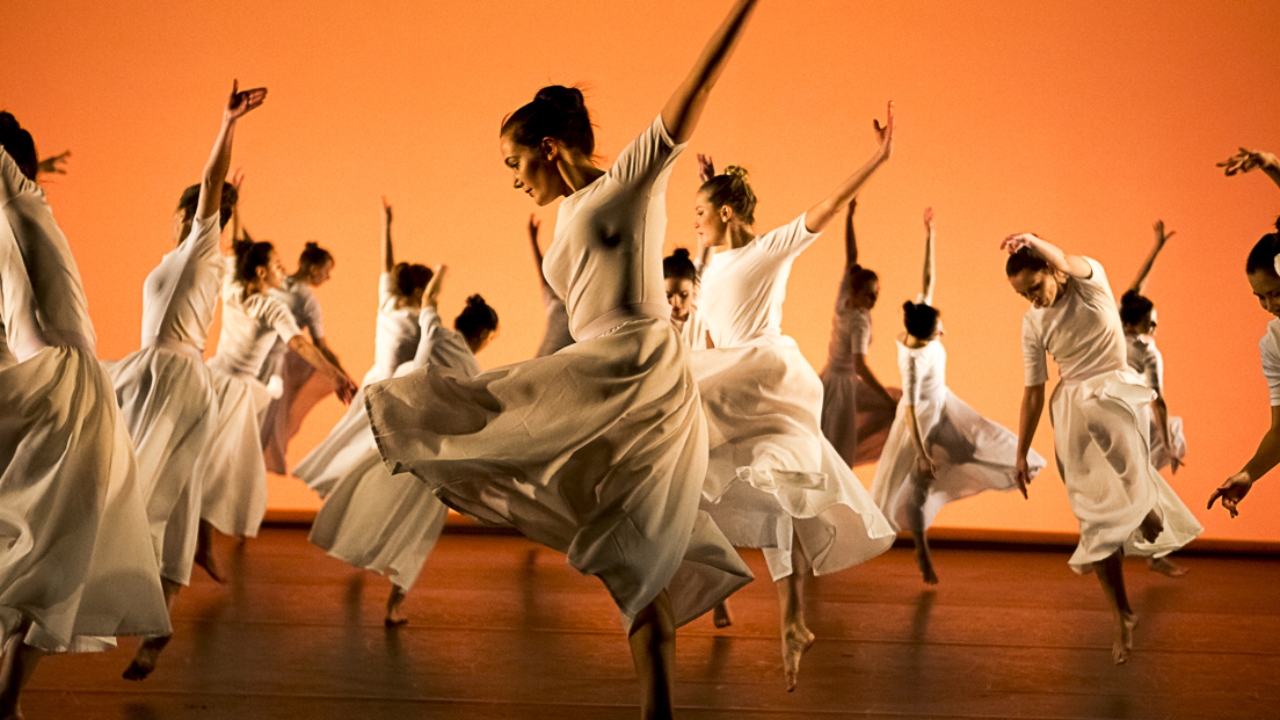
Contemporary remains one of the most popular competition and concert dance styles in America. It blends modern, ballet, jazz, and lyrical techniques into emotionally expressive, narrative-driven choreography.
Why it’s trending dance: TV shows like So You Think You Can Dance and World of Dance keep contemporary visible, and the style dominates competition circuits. For studios, contemporary classes serve intermediate and advanced students and are essential for competitive team programs.
9. Dancehall
Dancehall dancing styles— Jamaica’s high-energy, rhythmic dance style — has carved out a growing presence in American studios and club scenes. Its expressive, freestyle-friendly approach draws both trained dancers and social dancers.
Why it’s trending dance: Cross-pollination with Afrobeats and mainstream pop keeps Dancehall in the cultural conversation. Artists like Sean Paul, Shenseea, and Skeng bring fresh tracks that drive new choreography. Studios in major metros (NYC, Atlanta, LA) report consistent demand for Dancehall classes.
10. Vogueing and Ballroom
Vogueing dancing styles— born in the 1980s Harlem ballroom scene — continues to evolve as both an art form and a cultural movement. Its sharp poses, dramatic catwalks, and spins are technically demanding and visually striking.
Why it’s trending dance: Ball culture remains vibrant, and mainstream visibility through shows like Legendary and Pose introduced vogueing to a wider audience. Studios and community centers offering vogue workshops attract diverse, engaged students.
11. Line Dance Revival
Line dancing styles has broken out of its country-western box. Driven by viral TikTok routines and country-pop crossover artists, line dances now show up at weddings, parties, fitness classes, and studio workshops.
Why it’s trending dance: Group-friendly and no partner needed — line dances are inherently social and beginner-accessible. For studios, a monthly line dance social or workshop can bring in people who’d never sign up for a technique class.
12. Dance as Wellness
Dance is increasingly positioned as a wellness and mental health practice rather than purely a performance art. Mindful movement classes, sober dance parties, and dance therapy are growing across the country.
Why it’s trending dance: The emphasis on mental health and community drives demand for movement experiences that are joyful, low-pressure, and socially connected. Studios offering “movement for wellness” or “dance fitness” classes are reaching adults who view dance as self-care, not performance.
13. Balletcore Revival
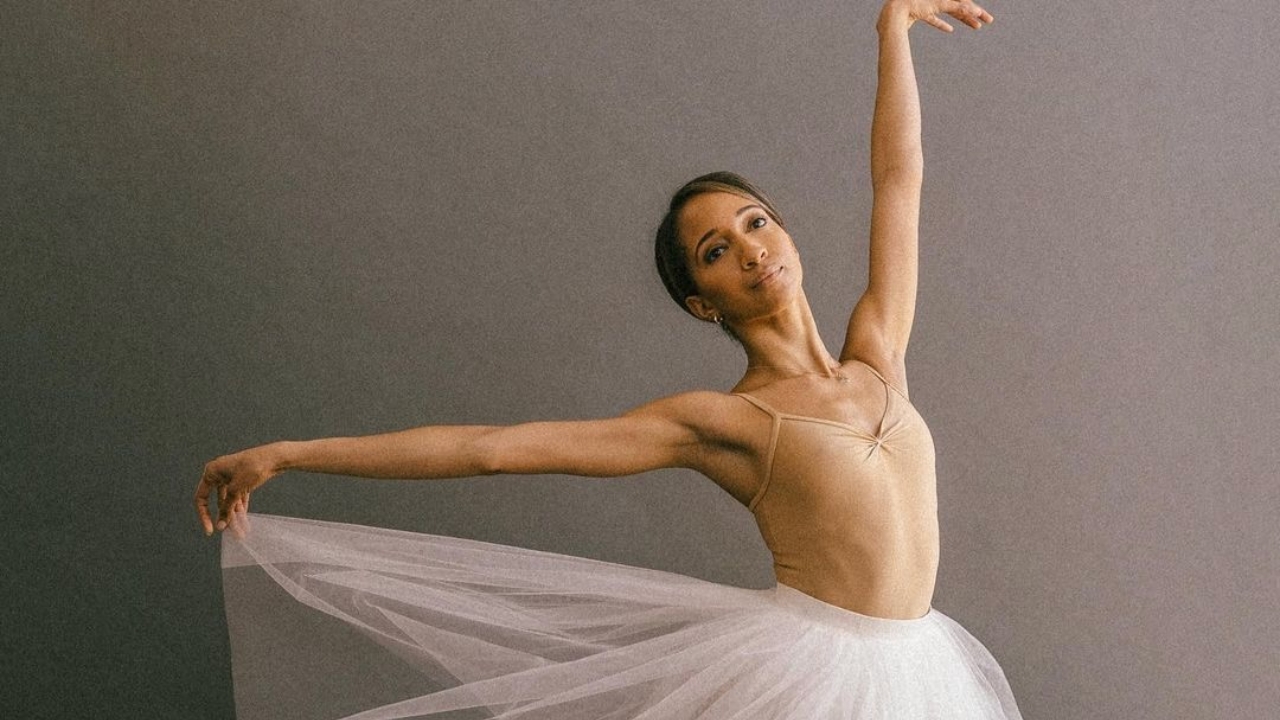
Balletcore — the aesthetic blending of ballet-inspired movement, fashion, and lifestyle — has evolved from a social media fashion trend into a genuine dance resurgence. It’s driven by actual dancers reclaiming the movement behind the aesthetic, emphasizing the real sweat and discipline of ballet rather than just the pastel look.
Why it’s trending: Instagram and TikTok creators are showing behind-the-scenes ballet training alongside the fashion, and the overlap between dancewear and everyday athleisure continues to grow. Studios are seeing renewed interest in adult ballet enrollment — especially beginner classes positioned as accessible and non-intimidating.
14. Hiplet and Street-Classical Fusion
Hiplet — a fusion of classical pointe technique with hip-hop, breaking, and other street dance elements — represents one of the most innovative new dance styles in America. Dancers perform on pointe while incorporating robotic animations, floor work, waacking, and other urban movement vocabulary.
Why it’s trending: Hiplet blurs the line between trained technique and street culture in a way that feels genuinely new. The Chicago-based Hiplet Ballerinas have built a significant following, and studios are experimenting with fusion classes that attract both classically trained dancers and street-style enthusiasts. Regional street styles like Detroit Jit, Chicago Footwork, and Philly GQ continue to influence broader fusion styles.
What’s Driving Dance Trends in 2026?
Several forces are shaping how new dance styles emerge and spread:
- Social media virality: TikTok and Instagram Reels compress the trend cycle. A dance style can go from unknown to global in 48 hours.
- Global music crossover: Afrobeats, K-pop, Latin, and Caribbean music consistently chart in the US, bringing their associated dance styles with them.
- Participation over perfection: The biggest cultural shift — audiences reward authenticity and effort over polished technique. This makes dance more accessible than ever.
- Adult and wellness demand: Dance is no longer just for kids. Adults seeking fitness, social connection, and creative expression are driving studio enrollment growth.
- Tech integration: AR/VR dance experiences, AI-assisted choreography tools, and motion-tracking apps are making it easier to learn and create dance outside traditional studios.
How Studios Can Capitalize on Current Dance Trends
Dance styles are a growth lever for studios that move quickly. Here’s how to use them:
- Add trending dances style as workshops first: Don’t commit to a full-semester class for an untested style. Run a one-off workshop (Afrobeats, K-pop covers, heels) and gauge demand before adding it to your dance studio schedule.
- Film your classes for social media: Trending dances content drives organic reach. A 30-second clip of students learning a TikTok dance fads in class can reach more people than any paid ad.
- Hire guest instructors: Bring in specialists for trending dances styles rather than retraining your existing staff. It adds variety and creates event energy.
- Target adults explicitly: Many current dance trends (bachata, heels, wellness) skew adult. Create dedicated adult class blocks with marketing that speaks to adult beginners.
- Track what’s working: Use your dance studio software to monitor enrollment by class type, track which workshops convert to ongoing enrollment, and double down on what fills.
FAQs
1. What is the most trending dances style in America right now?
Hip-hop fusion remains the most broadly popular dance style in America, but Afrobeats and TikTok-driven choreography are the fastest-growing new dance styles as of 2026. For social/partner dancing, bachata is seeing the biggest growth in studio enrollment.
2. How do dance studios keep up with trending dances style?
Successful studios monitor social media trends, run workshops before committing to full classes, hire guest instructors for specialty styles, and use trend analysis and enrollment data to decide which offerings to keep.
3. Are TikTok dance trends a real or just a fad?
Individual TikTok dance trends come and go, but the broader pattern — short-form choreography driving dance participation — has been growing since 2020 and shows no sign of slowing. Studios that teach trending dances choreography in workshops consistently attract new students who discovered dance through social media.
4. What new dance styles should studios add in 2026?
The highest-demand new styles for studios are Afrobeats, heels dance, K-pop covers, and bachata. Each appeals to a different audience — Afrobeats and heels skew young adult, K-pop attracts teens, and bachata brings in adults who’ve never taken a formal dance class. Start with a workshop to test demand before committing to a recurring class.
Stay Ahead of Every Trend
Running a studio that stays current means more than just adding new class styles — it means tracking enrollment, managing schedules, and responding to demand quickly. Swyvel gives dance studios the tools to manage it all from one platform. Start your free trial and build a schedule that moves as fast as the trends.